Get Flat Roof Installation in Atlanta, GA
Flat roof installation services for property owners in Atlanta, GA, address leaks, ponding, and aging roofs through new flat roofing systems for commercial and residential buildings.
Flat roof installation services are a practical choice for property owners in Atlanta, GA seeking reliable, long-lasting roofing solutions. Flat roofs provide a functional design that maximizes usable space on rooftops, making them ideal for rooftop gardens, HVAC equipment, or additional outdoor areas. Skilled contractors focus on ensuring proper installation to enhance the property's overall safety, reduce the risk of leaks, and improve energy efficiency, all while maintaining a sleek, modern appearance that boosts curb appeal.
Choosing professional flat roof installation can also lead to increased durability and reduced maintenance needs over time. Well-installed flat roofs are designed to withstand Atlanta’s weather conditions, including heavy rain and humidity, helping to prevent costly repairs. Property owners often look for solutions that combine practicality with longevity, ensuring their rooftops remain secure, functional, and visually appealing for years to come.
- Commercial Flat Roofs - needed when businesses require durable roofing solutions for large, flat rooftop spaces.
- Industrial Flat Roofs - suitable for factories and warehouses in need of long-lasting, weather-resistant roofing systems.
- Residential Flat Roofs - applicable for homeowners seeking modern, low-profile roofing options for their homes.
- Re-Roofing Flat Roofs - essential when existing flat roofs show signs of aging, leaks, or damage in the Atlanta area and nearby communities.
- New Flat Roof Installations - necessary for new construction projects that incorporate flat roofing designs in commercial or residential buildings.
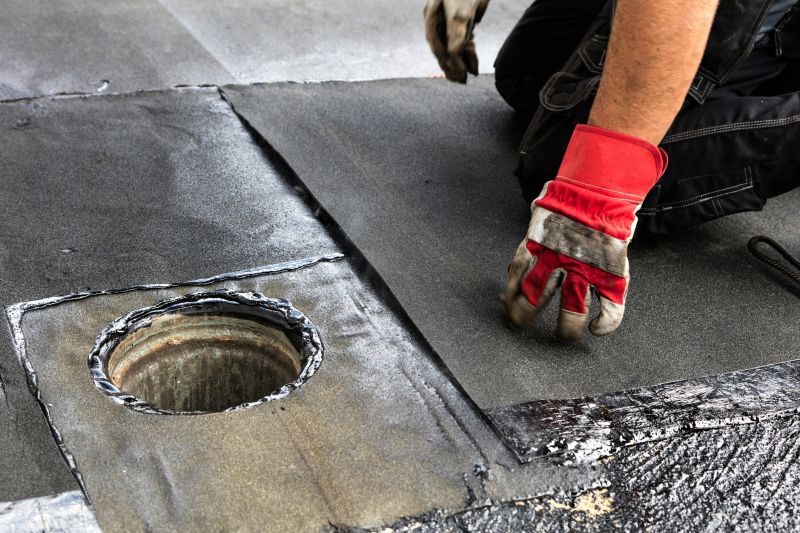
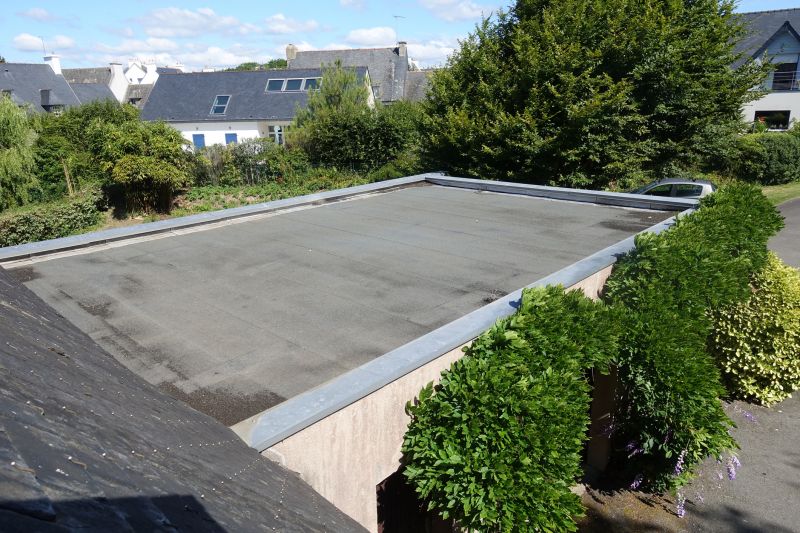
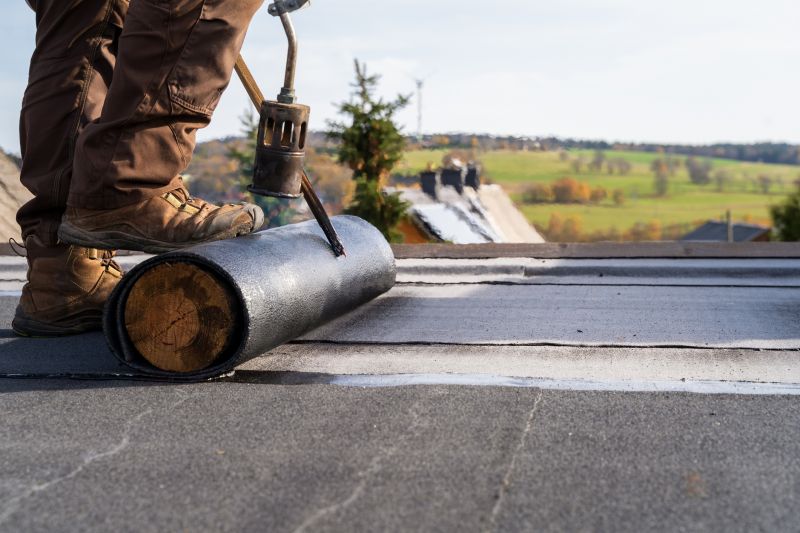
Flat roof installation services involve the construction and setup of horizontal or nearly horizontal roofing systems commonly found on commercial buildings, apartment complexes, and some residential properties. These services typically include preparing the roof deck, applying suitable waterproofing materials, and installing the final roofing membrane. The process ensures that the roof provides a durable, weather-resistant barrier that protects the structure from water intrusion, leaks, and other environmental elements. Skilled contractors assess the specific needs of each property to select appropriate materials and ensure proper installation for long-lasting performance.
One of the primary issues flat roof installation services address is water pooling and drainage problems. Unlike pitched roofs, flat roofs require carefully designed drainage systems to prevent standing water, which can lead to leaks, structural damage, or mold growth over time. Proper installation also helps mitigate issues related to membrane punctures, UV damage, and thermal expansion. By ensuring a seamless, well-sealed surface, these services help property owners avoid costly repairs and maintain the integrity of the building’s interior and exterior.
Flat roofs are commonly used on commercial properties such as office buildings, retail stores, warehouses, and industrial facilities, where maximizing interior space is essential. They are also frequently found on multi-family residential buildings, including apartment complexes and condominiums. Some modern residential homes with contemporary architectural styles also feature flat roofs to achieve a sleek, minimalist aesthetic. The versatility and functional benefits of flat roofs make them a popular choice across various property types, especially when space for rooftop equipment or amenities is desired.
Professionals providing flat roof installation services typically work with a range of roofing materials suited to different property needs and budgets. Common options include built-up roofing (BUR), single-ply membranes like TPO or EPDM, and modified bitumen systems. These materials are selected based on factors such as weather exposure, building use, and desired lifespan. Property owners interested in flat roof installation can contact local service providers to evaluate their specific requirements, receive expert recommendations, and ensure the proper setup of a reliable, weather-resistant roof system.
The overview below groups typical Flat Roof Installation projects into broad ranges so you can see how smaller, mid-sized, and larger jobs often compare in Atlanta, GA.
In many markets, a large share of routine jobs stays in the lower and middle ranges, while only a smaller percentage of projects moves into the highest bands when the work is more complex or site conditions are harder than average.
Material Costs - Flat roof installation costs typically include materials like EPDM, TPO, or built-up roofing, ranging from approximately $3 to $8 per square foot. For a standard 1,000-square-foot roof, material expenses can be between $3,000 and $8,000. Costs vary based on material choice and roof size.
Labor Expenses - Labor for flat roof installation generally adds $2 to $4 per square foot, depending on complexity and location. For a typical project, labor costs might range from $2,000 to $4,000 for a 1,000-square-foot roof. These costs can fluctuate based on contractor rates in the Atlanta area.
Additional Costs - Extra expenses such as roof tear-off, insulation, or flashing can increase the overall cost by $1,000 to $3,000. These costs depend on the existing roof condition and specific project requirements. Contact local pros for detailed estimates tailored to individual needs.
Total Project Cost - Overall flat roof installation expenses usually fall between $6,000 and $15,000 for a standard residential roof, including materials and labor. Larger or more complex roofs may cost more, with prices varying based on project scope and local market rates. Getting multiple quotes from local service providers is recommended for accurate budgeting.
Actual totals will depend on details like access to the work area, the scope of the project, and the materials selected, so use these as general starting points rather than exact figures.
Commercial Flat Roofs - Local contractors offer installation services for flat roofs on retail centers, office buildings, and industrial facilities, ensuring durable and reliable roofing solutions.
Residential Flat Roofs - Pros provide flat roof installation for homes, including patios, extensions, and rooftop decks, tailored to meet specific architectural needs.
Flat Roof Replacement - Service providers can replace aging or damaged flat roofs on various property types, helping to restore protection and functionality.
Flat Roof Repairs - Local experts handle repairs for leaks, ponding, or other issues affecting flat roofs, maintaining the integrity of the roofing system.
Green Roof Installations - Contractors can install flat roofs designed to support vegetation, enhancing building aesthetics and functionality where desired.
Emergency Flat Roof Services - Available for urgent repairs due to storm damage or leaks, ensuring prompt response to protect properties.
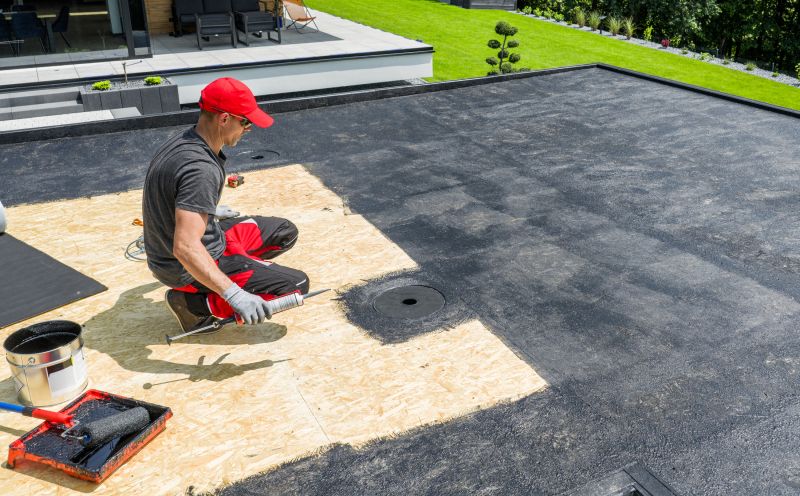
When selecting a professional for flat roof installation, it is important to consider the experience of local contractors. Homeowners should look for service providers with a proven track record of completing flat roof projects similar in scope and style. An experienced contractor can better anticipate potential challenges and ensure the installation process proceeds smoothly. Gathering information about the duration of their service in the area and the types of flat roofing systems they have worked with can provide insight into their expertise.
Clear communication and well-defined expectations are essential when working with a roofing professional. Reputable contractors should be able to provide detailed descriptions of their services, including the steps involved in installation, materials used, and the projected timeline. Homeowners are encouraged to ask for written estimates or proposals that outline these expectations, helping to prevent misunderstandings and ensuring everyone is aligned on project scope.
References from previous clients and reputation within the local community can serve as valuable indicators of a contractor’s reliability. Homeowners may wish to seek out reviews or testimonials from past customers to assess satisfaction levels. Additionally, reputable service providers often maintain positive relationships within the community, which can be verified through referrals or local reputation. Effective communication throughout the process, from initial contact to project completion, is also key in fostering a transparent and professional experience with local flat roof installation contractors.
Property owners in Atlanta, GA use Flat Roof Installation services for practical projects around their homes and businesses. The sections below highlight everyday jobs and straightforward project options.
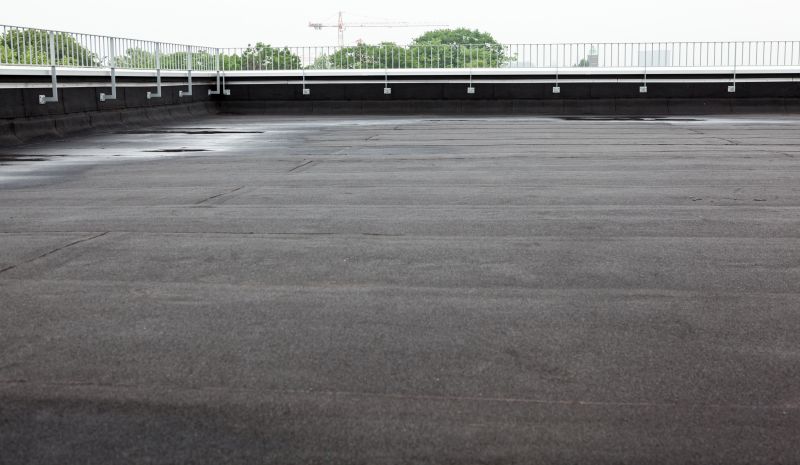
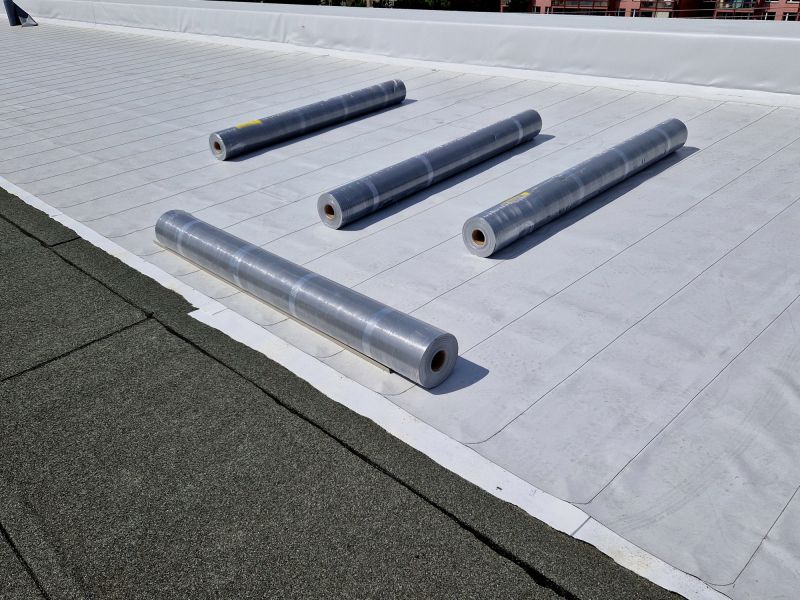
Flat roof installation services are often sought after by property owners in Atlanta, GA, who are constructing new buildings or replacing aging roofs. Commercial buildings, apartment complexes, and industrial facilities may require a durable, low-maintenance roofing solution that can withstand the local weather conditions. Property owners might look for professional installation to ensure the roof is properly fitted and sealed, helping to prevent leaks and water damage over time.
Additionally, property owners may consider flat roof installation when their existing roof has sustained damage or shows signs of deterioration, such as cracks, ponding water, or extensive wear. Upgrading to a new flat roof can improve the building’s overall integrity and energy efficiency. Local contractors can provide assessments and installation services tailored to the specific needs of properties in Atlanta, GA, ensuring a reliable and long-lasting roofing system.
What are common materials used for flat roof installation? Typical materials include built-up roofing (BUR), modified bitumen, EPDM rubber, TPO, and PVC membranes, each offering different benefits for flat roofs.
How long does a flat roof installation usually take? The duration of installation varies depending on the size and complexity of the project, but generally, it can take anywhere from a few days to a week.
What factors influence the cost of flat roof installation? Costs are affected by the selected materials, roof size, existing roof condition, and any necessary structural modifications.
Are there specific permits required for flat roof installation? Permit requirements depend on local regulations; contacting local service providers can help determine necessary approvals.
What maintenance is needed after a flat roof installation? Regular inspections for damage, clearing debris, and prompt repairs help maintain the roof's integrity over time.
Flat Roof Inspection Services - Professionals can assess the condition of flat roofs to identify potential issues before they develop into costly repairs. Regular inspections help maintain roof integrity and longevity.
Flat Roof Repair Solutions - Local contractors offer repair services to address leaks, cracks, and membrane damage on flat roofs, helping to prevent further deterioration.
Flat Roof Replacement Options - When repairs are no longer effective, service providers can assist with flat roof replacement, ensuring proper installation and durability.
Flat Roof Maintenance Planning - Planning routine maintenance with local experts can extend the lifespan of flat roofing systems and improve overall performance.
Considering Flat Roof Installation for a property in Atlanta, GA? The sections above highlight common project types, practical options, and details that often shape the scope of work.
When you are ready, use the quote form to share a few details about your project. Local pros can review the basics and respond with options that match what you have in mind.